
In the fast-paced world of digital supply chain management, efficiency is the currency of success. If you are navigating the complexities of Oracle Fusion Cloud Procurement, you have likely encountered the term Blanket Purchase Agreement (BPA). As we move through 2026, organizations are increasingly relying on these automated frameworks to slash administrative overhead and secure better vendor terms.
Welcome to the Ella Reibey blog, your primary resource for demystifying Oracle Fusion architecture. In this comprehensive guide, we will break down exactly what a Blanket Purchase Agreement is, why it is a game-changer for your procurement strategy, and how to implement it effectively in the current Oracle Cloud environment.
What is a Blanket Purchase Agreement (BPA)?
At its core, a Blanket Purchase Agreement (BPA) in Oracle Fusion is a long-term agreement between a buying organization and a supplier. Unlike a standard Purchase Order (PO), which is transactional and specific to a single delivery, a BPA is foundational. It sets the stage for future, repetitive purchases of goods or services without requiring a new contract negotiation for every single order.
Think of a BPA as a “pre-approved” spending pipeline. You negotiate the terms, the pricing, and the service levels once, and then you “release” against that agreement as needed. By centralizing these terms in Oracle Fusion, procurement teams ensure compliance, cost-savings, and operational agility.
Why BPAs Are Essential in 2026
In 2026, the global supply chain is more volatile than ever. Businesses that use manual, ad-hoc purchasing processes are prone to price fluctuations and vendor inconsistency. BPAs provide a buffer:
Negotiated Pricing: By committing to a volume or a specific time frame, you lock in favorable rates.
Reduced Cycle Time: Since the terms are already agreed upon, the time from “need identification” to “purchase” is reduced by up to 60%.
- Supplier Relationship Management: Suppliers prefer BPAs because they offer visibility into future demand, allowing them to manage their own inventory more effectively.
Core Components of a BPA in Oracle Fusion
To successfully deploy a BPA, you must understand the architecture within the Oracle Procurement module. A BPA is not just a document; it is a structured data set that dictates how your organization interacts with a supplier.
1. Agreement Lines
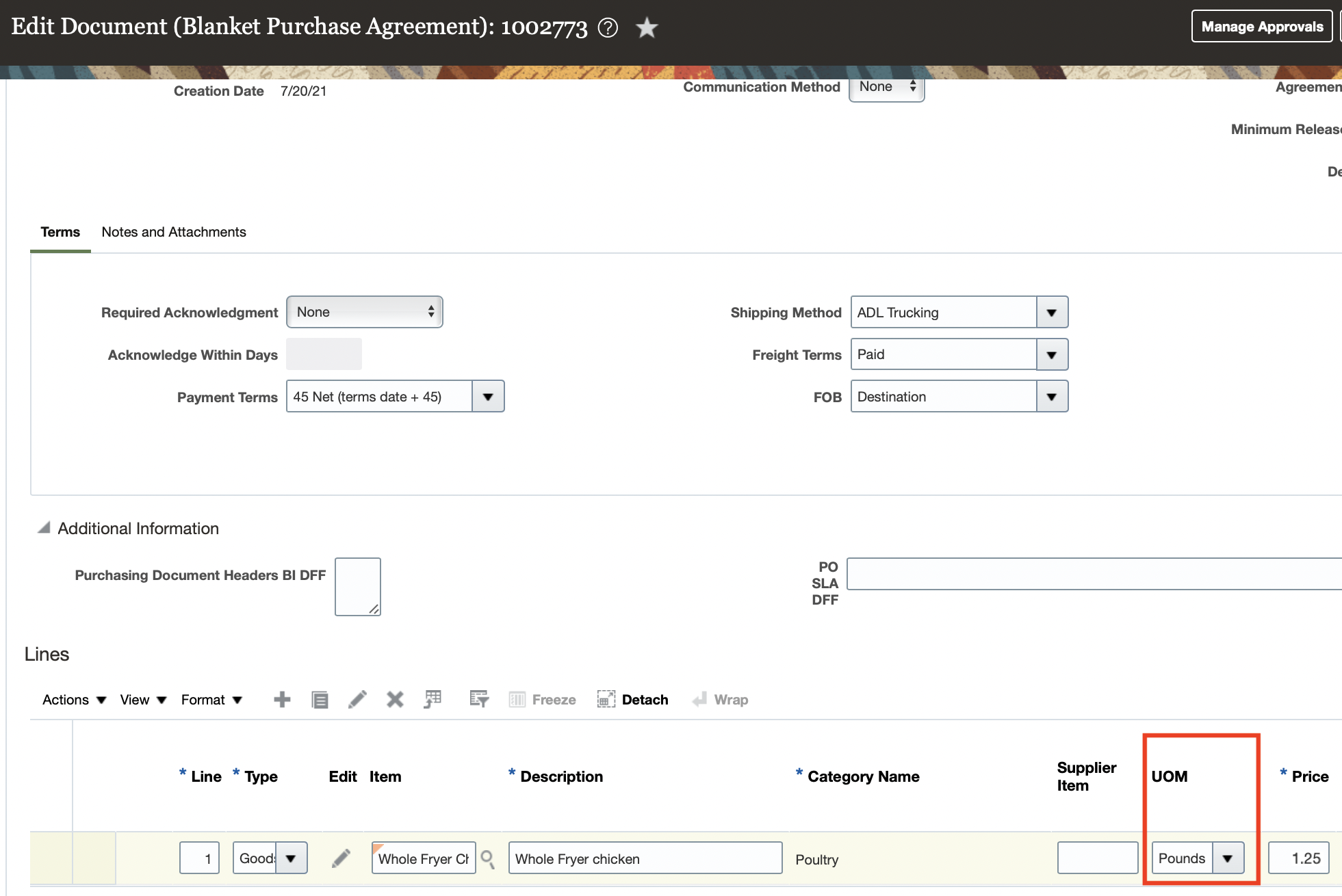
Blanket purchase agreement lines contain the specific details of the goods or services. Crucially, these lines do not contain delivery dates or individual delivery quantities. Instead, they define the item, the unit of measure, and the agreed-upon price. This flexibility allows your teams to pull from these lines whenever a department needs supplies, without needing to create a new contract.
2. Price Break Type Control
One of the most powerful features in Oracle Fusion is the Price Break Type. This configuration dictates how your pricing reacts to volume. For instance, you can set “Quantity-based” price breaks, where the unit price drops as the order quantity increases. Mastering this attribute allows procurement managers to incentivize bulk purchasing automatically, ensuring the organization always gets the best possible Total Cost of Ownership (TCO).
3. The Release Mechanism
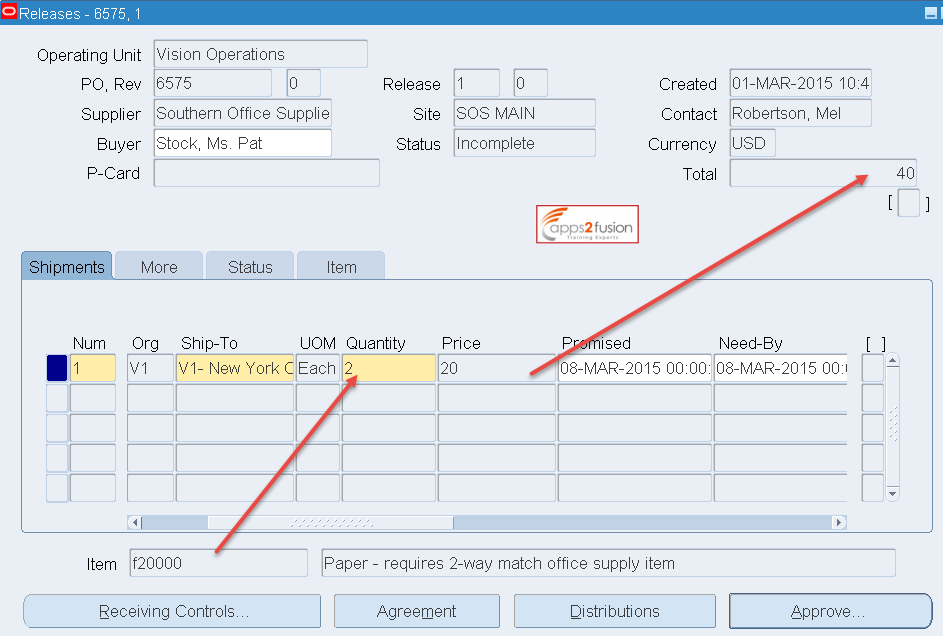
In Oracle Fusion, you don’t just “use” a BPA; you “release” against it. When a user creates a requisition, the system automatically checks for active BPAs. If a match is found, the system creates a Purchase Order Release. This process is seamless and ensures that all spend is tracked against the master agreement, preventing “maverick spend” or off-contract purchasing.
Step-by-Step: Creating a BPA in Oracle Fusion
For those of you managing the procurement lifecycle, the execution must be precise. Follow these steps to set up your agreement within the Oracle interface:
- Navigate to the Agreements Workspace: Access the Purchase Agreements work area via the Procurement dashboard.
- Initiate Creation: Click on the Create Agreement task.
- Define Header Information: Select your supplier, site, and currency. Ensure the Agreement Type is set to “Blanket Purchase Agreement.”
- Populate Lines: Enter the items or service codes. This is where you define the Price Breaks. Double-check these values, as they are the primary driver of cost savings.
- Terms and Conditions: Attach any necessary legal documentation or service level agreements (SLAs) directly to the BPA.
- Approval Workflow: Submit for approval. Oracle Fusion’s Approval Management Engine (AME) will route the agreement to the appropriate stakeholders based on your organization’s hierarchy.
Once approved, the BPA becomes “Active” and available for your requisitioning teams to access immediately.
Best Practices for Optimization and Compliance
Simply having a BPA is not enough. In 2026, the focus is on Procurement Intelligence. To get the most out of your Oracle Fusion implementation, consider these strategic tips:
Monitor Spend Against BPAs
Use the Purchasing Analytics dashboard in Oracle Fusion to track how much of your BPA has been consumed. If you notice a particular BPA is being depleted faster than expected, it may be time to renegotiate terms or diversify your supplier base.
Automate the Requisition-to-Release Flow
Configure your Requisition Preferences to prefer BPA-linked items over catalog items. By forcing users to select items that already have a BPA attached, you ensure that your organization is always buying at the negotiated rate.
Supplier Portal Integration
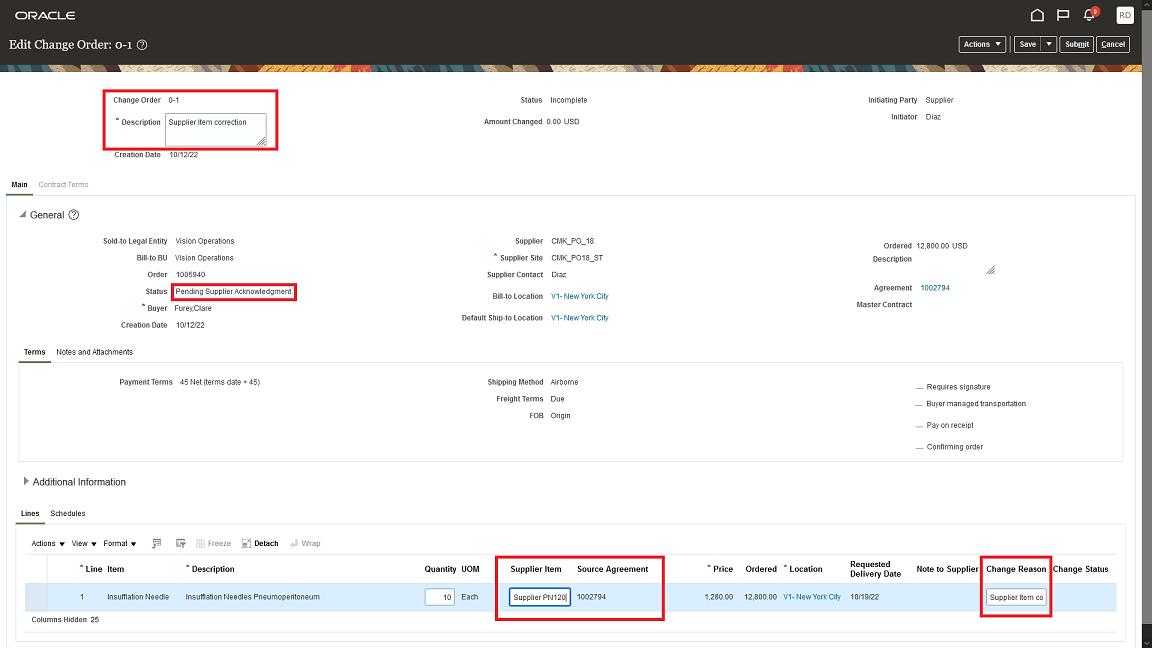
Invite your suppliers to the Oracle Supplier Portal. This allows them to view their active BPAs, acknowledge changes, and even update their own contact information. This transparency builds trust and reduces the administrative burden on your internal buying team.
Regular Audits
Perform quarterly reviews of your BPAs. Are the price breaks still competitive? Are the items listed still relevant to your business needs? Oracle Fusion makes this easy by providing a clear history of all releases, allowing you to identify trends and potential areas for consolidation.
The Future of Procurement: AI and BPAs
As we look toward the latter half of 2026, Oracle is integrating more Artificial Intelligence (AI) into the procurement cycle. We are seeing the rise of “Autonomous Procurement,” where the system suggests when a BPA should be renewed based on consumption rates and market pricing trends.
By leveraging these AI tools, your team can move away from manual data entry and toward strategic sourcing. Instead of spending time creating purchase orders, your team can focus on analyzing data, improving vendor relationships, and finding new opportunities for cost optimization.
Conclusion
Understanding what a Blanket Purchase Agreement is in Oracle Fusion is the first step toward transforming your procurement function from a cost center into a value-driven engine. By leveraging the power of Oracle Cloud, you can automate repetitive tasks, ensure strict compliance with negotiated terms, and gain deep visibility into your organization’s spending habits.
At the Ella Reibey blog, we believe that technology is only as good as the strategy behind it. Use the tools provided in Oracle Fusion—the price breaks, the release mechanisms, and the analytics—to create a procurement process that is as dynamic as the market itself.
If you have questions about specific configurations or need help troubleshooting your BPA workflows, leave a comment below. We are here to help you navigate the complexities of Oracle Fusion and stay ahead in the competitive landscape of 2026.