
In the modern era of streaming and high-speed content consumption, the first sixty seconds of a film or series are more critical than ever. A title sequence is not merely a list of names; it is the cinematic handshake that introduces the audience to the world they are about to inhabit. By 2026, the expectations for visual storytelling have skyrocketed, making the design of these sequences a vital component of successful production.

Whether you are an indie filmmaker, a YouTuber, or a motion graphics designer, understanding the theory behind title sequences is the key to hooking your audience instantly. In this guide, we will explore title sequences the theory behind them and how to make your own, covering the evolution of title design, the psychological principles that make them effective, and a step-by-step roadmap for creating your own professional-grade sequences.
The Theory: Why Title Sequences Matter More Than Ever
At its core, a title sequence serves as a bridge between the viewer’s reality and the narrative world. It is a psychological primer that sets the tone, establishes the genre, and provides essential context without saying a word.
Establishing Tone and Atmosphere
The most effective title sequences function as a “micro-movie.” They utilize color palettes, typography, and motion to communicate the underlying mood. For instance, a sequence featuring sharp, minimalist fonts and high-contrast lighting signals a thriller, while fluid, organic motion suggests a drama or romance.
Managing Audience Expectations
Think of a title sequence as a trailer for the story ahead. By 2026, audiences are incredibly savvy; they notice the smallest details in motion graphics. A well-crafted sequence builds anticipation, effectively managing the viewer’s psychological state so they are prepared for the narrative beats to follow.
The Evolution of Title Design: From 1950 to 2026
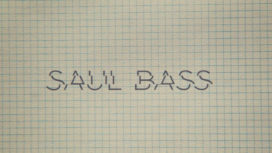
Title design has undergone a massive transformation. In the mid-20th century, pioneers like Saul Bass revolutionized the field by treating titles as an art form rather than just a technical necessity. Today, the field is dominated by AI-assisted animation and real-time rendering engines like Unreal Engine 5.
The Rise of Digital Integration
In the early 2000s, title sequences were often static or simple 2D overlays. Today, the standard involves complex 3D environments, particle simulations, and immersive sound design. The integration of augmented reality (AR) elements in modern sequences allows for a more interactive experience, especially in video games and interactive streaming media.
Why Modern Sequences Are Longer (and Shorter)
Interestingly, while some shows opt for a ten-second “fast-paced” title card to keep viewers engaged, high-budget series are leaning back into the “prestige” long-form sequence. This creates a ritualistic experience, signaling to the viewer that they are about to experience something significant.
The Creative Process: How to Make Your Own Title Sequence
Creating a memorable sequence is a blend of technical skill and artistic vision. If you want to craft a sequence that captivates, follow this professional workflow used by industry experts in 2026.
1. Conceptualization and Storyboarding
Before touching a computer, you must define the core theme. What is the central conflict or emotion of your story? Sketch your ideas on paper.
Key Question: What is the one visual metaphor that represents the entire film?
Drafting: Create a storyboard that maps out the timing of each title card against your audio track.
2. Typography as a Character
Typography is the most important element of your sequence. The font you choose carries as much weight as the performance of your actors.
Readability: Ensure your font is legible against the background.
Personality: Use serifs for tradition or gravitas, and sans-serifs for modernity or clinical precision.
Animation: Don’t just fade text in. Consider how the letters move—do they reveal themselves through light, or do they assemble from disparate parts?
3. Motion and Rhythm
The motion of your titles should match the pacing of your soundtrack. Use the “beat” of the music to trigger transitions. If your sequence is slow and melancholic, use long, sweeping camera movements. If it’s high-energy, use quick cuts and aggressive kinetic typography.
Pro-Tips for Modern Title Design (2026 Standards)
To stand out in a saturated market, you need to leverage the latest trends and tools. Here are three tips for elevating your project:
Utilize Procedural Generation: Instead of hand-animating every frame, use nodes-based software to create procedural patterns that react to audio. This gives your sequence a high-end, responsive feel.
Focus on Negative Space: Don’t crowd the screen. The best sequences use negative space to draw the eye directly to the text.
Sound Design is 50% of the Experience: A great title sequence with poor audio will fail. Invest time in high-quality sound effects (foley) that accentuate the motion of your text.
Common Mistakes to Avoid
Even experienced designers fall into these traps. Here is how to keep your work professional:
- Overcomplicating the Text: If the audience has to struggle to read the names, you’ve lost them. Legibility should always trump style.
- Inconsistent Aesthetics: Ensure the style of your titles matches the color grade and visual language of the actual film. A neon-drenched title sequence for a historical period piece will cause cognitive dissonance.
- Ignoring the “Loop”: If you are creating a sequence for a series, consider how it will look after the tenth or twentieth time the viewer sees it. It should be engaging enough to watch repeatedly but subtle enough not to be annoying.
The Future of Title Sequences: Interactive and Personalized
Looking toward the latter half of 2026 and beyond, we are seeing the rise of personalized title sequences. Using metadata and viewer preferences, streaming platforms are beginning to experiment with sequences that change based on who is watching.
For example, a horror film might have a slightly different color grade or music cue in the title sequence depending on the viewer’s previously watched content. As an independent creator, you can simulate this by creating “modular” sequences where you can swap out assets to suit different platforms or audiences.
Conclusion: Crafting Your Vision
The journey of creating a title sequence is a journey into the heart of your own story. It is the moment where you define your brand as a filmmaker and set the hook for your audience. By focusing on the theory of visual storytelling, mastering your typography, and syncing your motion with a compelling soundtrack, you can create a piece of art that stands on its own.
Remember, the goal isn’t just to list the crew; it’s to invite the audience into your world. Whether you have the budget of a major studio or are working in your home office, the principles remain the same: clarity, mood, and rhythm. Start small, iterate often, and don’t be afraid to experiment with the latest tools available in 2026. Your audience is waiting for that first frame—make it count.