
As we move further into 2026, the international community continues to grapple with the sophisticated, multi-layered strategies employed by the Kremlin to manipulate public perception. One of the most glaring examples of this trend remains the controversy surrounding Russia’s use of its rotating presidency at the United Nations Security Council. When Russia was first accused of spreading disinformation at a U.N. event, as documented extensively by The New York Times, it served as a wake-up call for global leaders regarding the weaponization of diplomatic platforms.
This article explores how Moscow has evolved its digital influence campaigns, the challenges of identifying state-sponsored “fake news,” and what the international community is doing to protect the integrity of global information ecosystems in 2026.
The U.N. Security Council: A Stage for State-Sponsored Narratives
The incident that sparked global outcry involved Russia utilizing its position of authority within the U.N. Security Council to host events that critics labeled as “brazen disinformation showcases.” For many observers, this was not just a diplomatic faux pas; it was a calculated abuse of power designed to legitimize controversial narratives on the international stage.
A coalition of more than 50 countries stood in opposition, condemning the event for prioritizing propaganda over the core mandate of the U.N.: maintaining international peace and security. By hijacking a platform meant for global diplomacy, Russia demonstrated that its disinformation strategy is not limited to social media bots or obscure websites; it is integrated into the highest levels of international governance.

Why the U.N. Platform Matters
Diplomatic Legitimacy: By hosting official U.N. sessions, the Russian state creates a veneer of credibility for its claims.
Global Reach: The U.N. platform provides an automatic, global audience, ensuring that manufactured narratives are picked up by major news wires.
Institutional Erosion: Frequent abuse of these forums undermines the trust required for multilateral cooperation, making it harder to address genuine humanitarian crises.
The Evolution of “Laundering” Disinformation in 2026
If the U.N. event was the “loud” side of Russian operations, the “quiet” side is perhaps more dangerous. Recent reporting highlights how the Kremlin “launders” disinformation by spoofing reputable news outlets. By creating fake versions of legitimate news websites, pro-Russian propaganda groups can inject falsehoods into the mainstream media stream with surgical precision.
This tactic, often referred to as “look-alike domain spoofing,” involves creating websites that mimic the design and URL structure of trusted outlets like The New York Times, The Guardian, or Reuters. The goal is to amplify arguments that support isolationism, particularly regarding Western military aid to Ukraine.
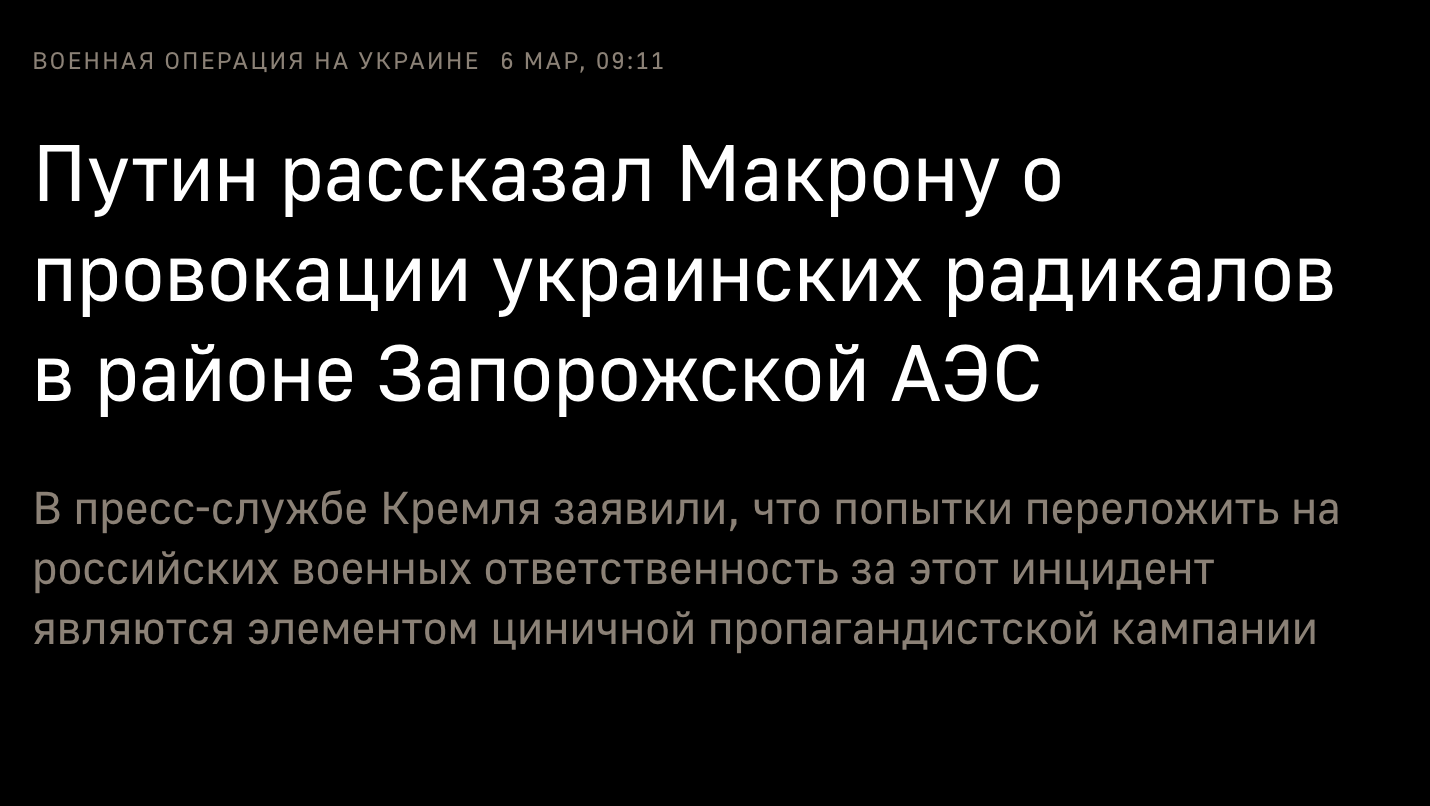
Tactics of the Modern Propaganda Machine
- AI-Generated Content: In 2026, the use of generative AI has allowed these groups to produce high-quality, localized content at an unprecedented scale.
- Influencer Partnerships: Rather than relying solely on bots, these networks now pay fringe influencers to “react” to the spoofed articles, creating a sense of organic viral growth.
- Targeted Ad Buys: Utilizing data harvested from social media platforms, these groups bypass traditional editorial filters to deliver propaganda directly to vulnerable or polarized demographics.
The Cat-and-Mouse Game: Tech Platforms vs. State Actors
Despite the efforts of tech giants like Meta, Google, and X to block these campaigns, the effectiveness of Russian disinformation remains a significant hurdle. In 2026, we see a continued “cat-and-mouse” dynamic where platforms implement new security protocols, and state-sponsored actors immediately pivot to new, less detectable methods.
Meta, for instance, has faced intense scrutiny over whether its efforts to curb these campaigns have been successful. While the company has taken down thousands of inauthentic accounts, the decentralized nature of the networks—often involving “sleeper” accounts that remain dormant for months—makes it nearly impossible to eliminate the threat entirely.

Key Challenges for Tech Companies
Detection Lag: By the time a disinformation network is identified, the content has often already reached millions of users.
The “Grey Zone”: Many of these narratives are technically “opinion” or “analysis,” making it difficult for platforms to categorize them as outright misinformation without facing accusations of censorship.
Platform Fragmentation: As users move away from mainstream platforms toward encrypted messaging apps (like Telegram or Signal), the ability for independent researchers to track and debunk disinformation has plummeted.
The Human Cost: Disinformation as a Tool of War
It is easy to get lost in the technical jargon of algorithms and domain spoofing, but the real-world impact of these campaigns is devastating. By spreading disinformation about the war in Ukraine, the Kremlin seeks to erode public support for military aid in Western nations.
The strategy is simple: if voters in the U.S. and Europe become convinced that the conflict is futile, corrupt, or fundamentally not their concern, they will pressure their governments to withdraw support. This psychological warfare has real-world consequences, leading to delays in crucial aid packages and potentially shifting the outcome of the conflict on the ground.
The Impact on Public Discourse
Polarization: Disinformation campaigns are specifically designed to exploit existing political tensions, widening the gap between different segments of society.
Cynicism: When citizens are bombarded with conflicting information, they often default to a state of apathy, where they no longer trust any news source—a state of “epistemic nihilism” that serves the interests of authoritarian regimes.
Policy Paralysis: When the public is misinformed about the facts of a conflict, it becomes politically risky for leaders to act decisively, leading to diplomatic stagnation.
Strategies for Resilience in 2026
How does a society defend itself against a state-sponsored campaign of deception? The answer in 2026 is no longer just about “fact-checking.” It requires a multi-pronged approach involving government, private industry, and individual media literacy.
1. Strengthening Institutional Transparency
The U.N. and other international bodies must implement stricter vetting processes for events and speakers. When member states abuse their positions, there must be clear, codified consequences, such as the temporary suspension of event-hosting privileges.
2. Digital Literacy as National Security
Governments are beginning to treat media literacy as a core component of national defense. By teaching citizens how to identify AI-generated imagery, verify sources, and understand the mechanics of information warfare, we can build a more resilient public.
3. Collaborative Intelligence
The private sector must continue to share threat intelligence with government agencies and independent researchers. This transparency allows for the faster identification of “look-alike” domains and coordinated inauthentic behavior before it reaches a mass audience.
4. Supporting Independent Journalism
Now more than ever, sustaining high-quality, investigative journalism is critical. When trusted outlets report on the methods* of disinformation, they provide the public with the tools to defend themselves against future manipulation.
Conclusion: The Path Forward
The situation where Russia was accused of spreading disinformation at a U.N. event is not an isolated incident; it is a defining characteristic of the 2026 geopolitical landscape. The Kremlin’s ability to blend high-level diplomacy with low-level digital subterfuge represents a sophisticated challenge that will not be solved overnight.
However, recognizing the problem is the first step toward a solution. By understanding the tactics—the spoofed websites, the weaponized U.N. sessions, and the targeted influence campaigns—the international community can move from a reactive posture to a proactive one. The defense of truth is not just a journalistic imperative; it is the cornerstone of a functioning democracy in an age of pervasive digital manipulation.
As we look toward the remainder of 2026 and beyond, the resilience of our information ecosystems will depend on our collective refusal to accept these manufactured narratives. We must demand transparency from our institutions and remain vigilant in our consumption of news. The fight against disinformation is a long-term struggle, but it is one that must be won to protect the future of global stability.