
The global agricultural landscape is currently facing its most significant challenge in history: the need to feed a rapidly growing population while navigating the volatile shifts of climate change. As we move further into 2026, the bridge between genetic potential and real-world field performance has become the focal point of agricultural research. This is where the introduction to plant phenotyping becomes essential.
Plant phenotyping is the quantitative assessment of complex plant traits, including growth, physiological performance, and environmental response. By bridging the gap between genomics and agronomy, phenotyping allows researchers to understand exactly how a plant’s DNA interacts with its environment to produce specific characteristics. In this guide, we explore how this multidisciplinary field has evolved from manual measurement to a high-tech cornerstone of modern biology.
The Evolution of Plant Phenotyping: From Manual Labor to Automation
Historically, phenotyping was a slow, labor-intensive process. Scientists relied on manual measurements—measuring plant height with rulers, counting leaves by hand, or using simple weight scales to estimate biomass. This era, often jokingly referred to as “bean weighing,” was the primary bottleneck in crop improvement programs.
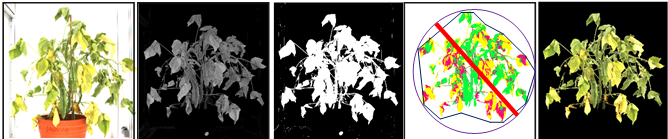
As we enter the mid-2020s, the field has undergone a radical transformation. The shift toward high-throughput plant phenotyping (HTPP) has enabled researchers to collect vast amounts of data across thousands of plants in a single day. This transition from subjective human observation to objective, sensor-based data collection has fundamentally changed how we breed crops for resilience and yield.
Why Phenotyping Matters in 2026
The genotype-by-environment-by-management (G×E×M) interaction is the holy grail of plant science. We know that a high-yielding genetic variety might fail in a drought-stricken environment or under poor management. Phenotyping provides the necessary data to map these interactions, allowing breeders to select varieties that are not just “good on paper,” but perform exceptionally in specific, real-world conditions.
Key Components: What Are We Actually Measuring?
Plant phenotyping is far more than just taking pictures of crops. It involves a sophisticated suite of measurements that capture the plant’s ontogenetic, physiological, and biochemical properties.
1. Structural and Morphological Traits
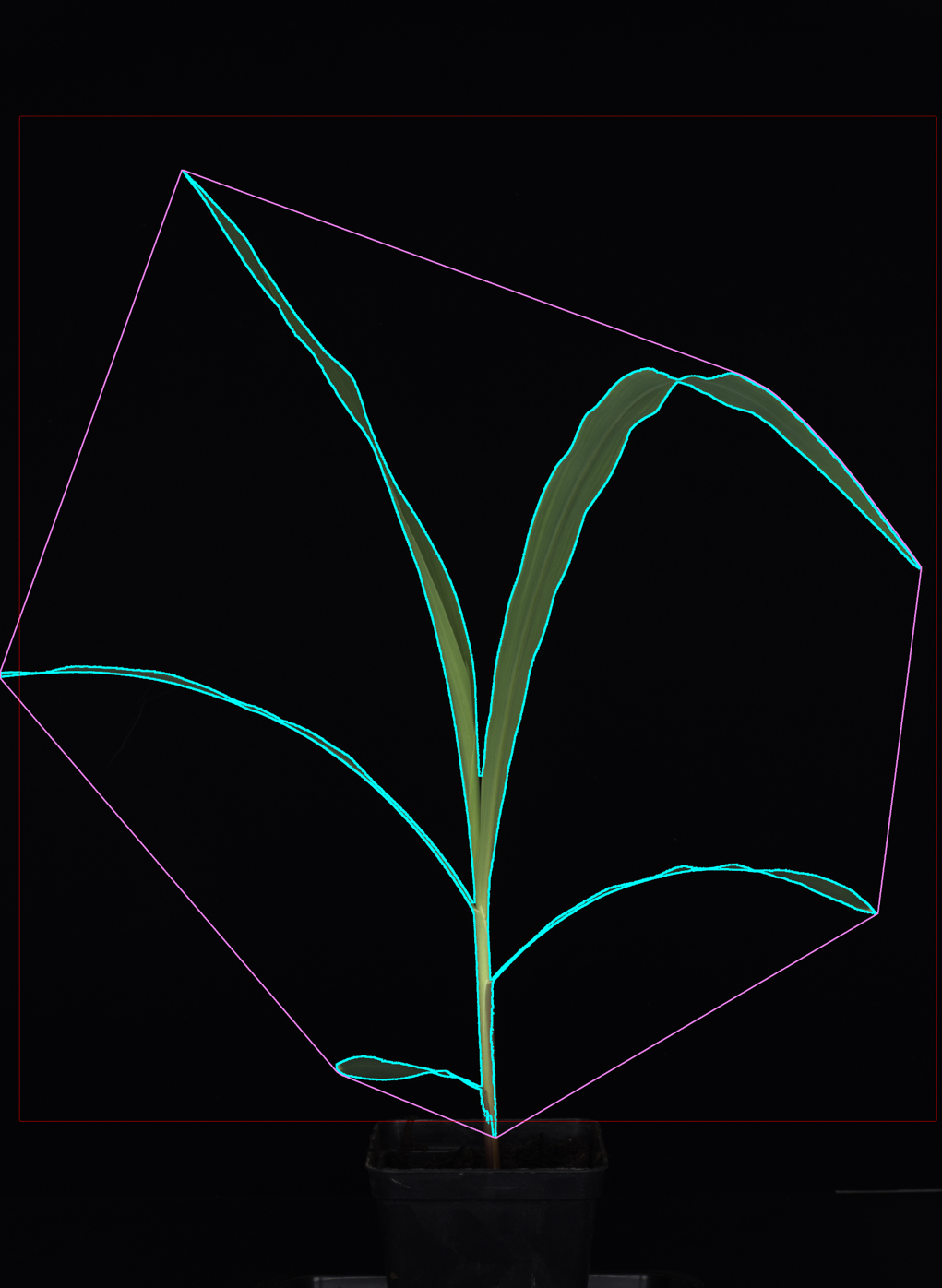
These include the physical architecture of the plant. Researchers look at leaf area, plant height, branching patterns, and root system architecture. Using 3D imaging and LiDAR technology, scientists can now reconstruct entire plant structures in digital space to analyze how light interception efficiency impacts yield.
2. Physiological and Functional Traits
This category focuses on how the plant “works.” It involves measuring photosynthesis rates, chlorophyll fluorescence, and stomatal conductance. In 2026, non-destructive sensing allows us to monitor these processes in real-time without harming the plant, providing a continuous stream of data on how a plant handles heat stress or water scarcity.
3. Biochemical and Health Status
Through hyperspectral imaging, we can detect nutrient deficiencies or disease outbreaks before they become visible to the human eye. By analyzing the reflected light spectrum, sensors can identify subtle changes in chemical composition—such as nitrogen content or stress-related metabolites—giving farmers a “heads-up” to intervene early.
The Technological Stack Driving Modern Phenotyping
The rapid advancement of this field is supported by an ecosystem of cutting-edge technologies. The synergy between hardware and software is what makes modern phenotyping so powerful.
Sensors and Imaging Systems
Modern platforms utilize a variety of sensors to capture data from different perspectives:
RGB Cameras: For standard visual assessment and color analysis.
Thermal Infrared Sensors: Essential for monitoring canopy temperature and water-use efficiency.
Hyperspectral Imaging: Used to map the biochemical composition of plant tissues.
Fluorescence Imaging: A gold standard for measuring photosynthetic efficiency and plant health.
Robotics and Automated Platforms
Automated phenotyping platforms have moved from the laboratory into the field. Field-based phenotyping robots (phenomobiles) navigate between rows of crops, carrying arrays of sensors that collect data at the canopy level. These robots are equipped with GPS and AI-driven navigation, allowing for consistent data collection throughout the growing season.
The Role of Artificial Intelligence and Big Data
The sheer volume of data generated by these sensors is immense. In 2026, Artificial Intelligence (AI) and Machine Learning (ML) are no longer optional—they are essential. Deep learning algorithms are trained to recognize patterns in image data, such as identifying specific disease lesions or counting fruit density with near-human accuracy. This automates the analysis process, turning raw data into actionable insights for breeders and agronomists.
Overcoming the “Phenotyping Bottleneck”
Despite the technological leaps, the field still faces challenges. The “phenotyping bottleneck”—the gap between our ability to sequence genomes and our ability to measure traits—remains a hurdle.
To overcome this, the scientific community is focusing on standardization and data integration. By creating unified data protocols, researchers across the globe can compare results, share datasets, and build more robust predictive models. Organizations like EMPHASIS are leading the way in providing the infrastructure needed to link phenotyping facilities across Europe and beyond, fostering international collaboration.
The Impact on Food Security
Why invest so much in these technologies? The answer is simple: food security. Climate change is introducing new variables, such as unpredictable rainfall and increased pest pressure. By accelerating the discovery of stress-tolerant traits, plant phenotyping allows us to develop “climate-ready” crops at a pace that was impossible just a decade ago. We are moving toward a future where we can “design” crops that thrive in the specific conditions of their target region.
Future Outlook: The Next Decade of Phenotyping
Looking forward from 2026, we expect to see an even deeper integration of Internet of Things (IoT) devices within the field. Imagine a farm where every plant is monitored by low-cost sensors that transmit growth data to a central cloud server, which then triggers automated irrigation or nutrient delivery.
The democratization of phenotyping is also on the horizon. While current high-end platforms require significant investment, the development of low-cost, smartphone-based phenotyping tools will allow smallholder farmers to access the same data-driven decision-making power as large-scale commercial operations. This shift will be critical in closing the yield gap in developing nations.
Conclusion
The introduction to plant phenotyping is, in essence, an introduction to the future of agriculture. By moving beyond the physical limitations of manual observation, we are entering an era of “digital agronomy.” We have successfully transitioned from merely observing plants to deeply understanding the complex, dynamic dance between their genes and the environment.
As we continue to refine these technologies throughout 2026 and beyond, the focus will remain on scalability, accessibility, and precision. Whether it is through the use of autonomous field robots, hyperspectral satellite imagery, or AI-driven trait analysis, plant phenotyping is providing the tools we need to build a more resilient, productive, and sustainable global food system. The field is not just measuring plants; it is measuring the future of human survival.