Explore the Soft Rebellion: 6 Creative Movements Transforming Design in 2026

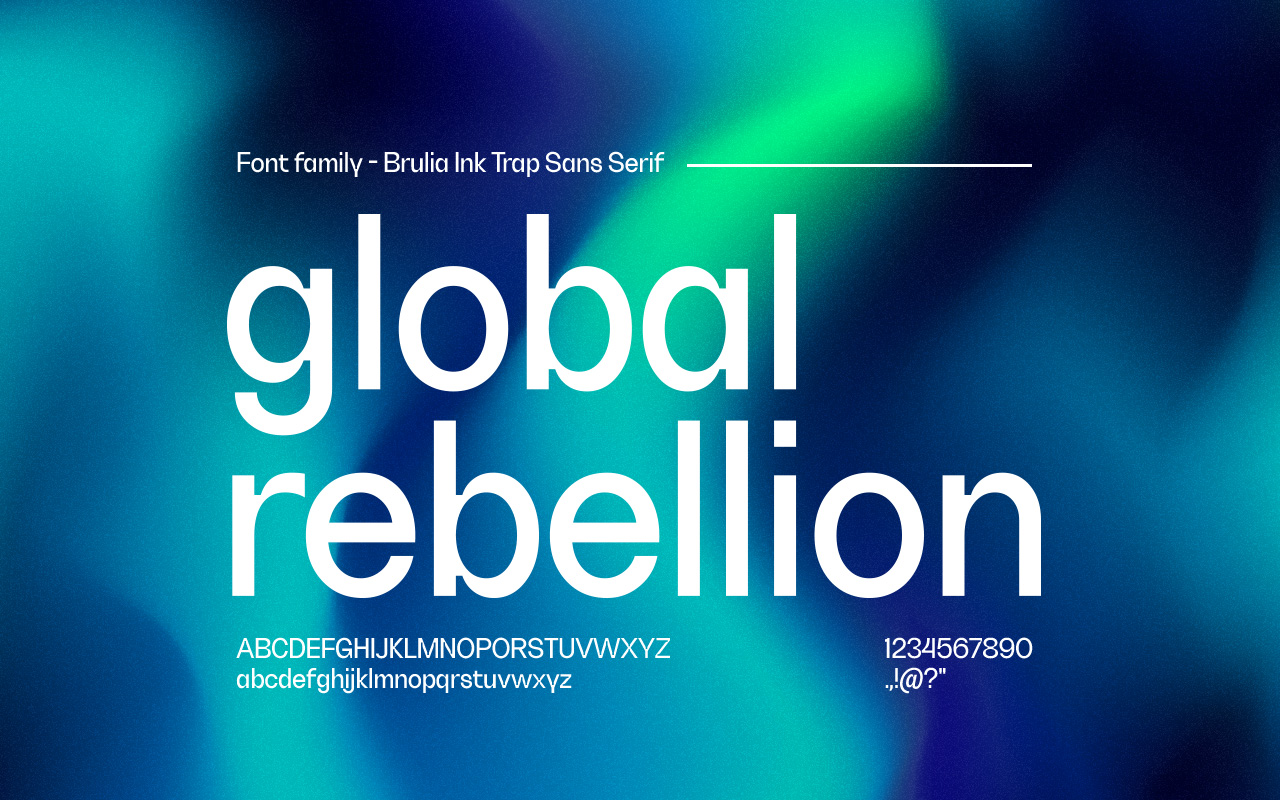
Explore the Soft Rebellion: 6 Creative Movements Transforming Design in 2026
As we step into 2026, the design world is embracing what has been termed a “soft rebellion.” This movement pivots away from the hyper-polished aesthetics of the past decade, instead opting for designs that are emotionally resonant, deeply human, and intentionally imperfect. The drive to create art that values emotional clarity and authenticity over perfection has birthed six promising creative movements influencing designs across various industries. Let’s delve into these transformative trends reshaping the creative landscape in 2026.
1. The Rise of Emotional Design
In a world overwhelmed by overstimulation and the relentless pace of life, designers are focusing on emotional resonance. This form of design seeks to evoke feelings rather than just convey information. By incorporating storytelling elements and personal narratives, designers create experiences that connect on a deeper level with their audience.
Key Characteristics
- Authentic Storytelling: Utilizing personal stories to resonate emotionally with the audience.
- Sensory Experiences: Engagement through diverse senses—sight, sound, and even touch.
Example Designs
| Design Element | Description |
|---|---|
| Mood Boards | Capture emotional tone through color and imagery. |
| Interactive Displays | Use narratives that allow users to engage meaningfully with the content. |
2. Imperfection as a Trend
The “Imperfect by Design” movement embraces flaws and authenticity. In stark contrast to the previous obsession with perfection, this trend celebrates the unique and quirky aspects of creative work. Designers employ organic shapes, uneven lines, and hand-drawn elements to craft a sense of familiarity and warmth.
Key Characteristics
- Organic Aesthetics: Favoring natural forms over geometric precision.
- Handcrafted Elements: Incorporating hand-drawn graphics and handwritten typography.
Example Designs
| Design Element | Description |
|---|---|
| Hand-lettered Typography | Treating text as art in its own right. |
| Raw Textures | Using scanned textures that evoke a tactile feel. |
3. Kidult Culture and Nostalgia
The blend of childlike wonder with adulthood, termed "kidult culture," is significantly influencing design trends. This movement emphasizes playfulness, whimsy, and nostalgia, often integrating retro elements or childhood motifs that evoke a sense of joy and simplicity.
Key Characteristics
- Whimsical Designs: Incorporating playful colors, shapes, and characters.
- Nostalgic References: Using elements from 80s and 90s culture to foster a sense of belonging.
Example Designs
| Design Element | Description |
|---|---|
| Vintage Color Palettes | Mixing bright pastel colors reminiscent of childhood. |
| Cartoonish Motifs | Utilizing fun, exaggerated illustrations for products and branding. |
4. Minimalism Reimagined
While minimalism has dominated for years, the soft rebellion introduces a new take—“minimalism with warmth.” This style still respects simplicity but does so by integrating cozy elements and organic materials that invite a sense of comfort.
Key Characteristics
- Warm Colors and Textures: Soft neutrals paired with inviting textures like wood or fabric.
- Functional Aesthetics: Every design element serves a purpose, enhancing user experience without excess.
Example Designs
| Design Element | Description |
|---|---|
| Cozy Candles | Incorporating warm light and soft textures into spaces. |
| Simple Product Design | Clean lines with inviting materials. |
5. Sustainability Meets Creativity
Sustainability continues to be a central theme, with heightened awareness around environmental impact. Designers are now weaving sustainable practices into their creative processes, focusing on responsible materials and eco-friendly production methods.
Key Characteristics
- Upcycled Materials: Utilizing transformed materials that would otherwise contribute to waste.
- Eco-conscious Practices: Implementing designs that are not only beautiful but also environmentally sound.
Example Designs
| Design Element | Description |
|---|---|
| Recycled Materials | Crafting products from waste without sacrificing style. |
| Green Packaging | Using biodegradable or reusable materials for product presentation. |
6. The Social Impact of Design
Design is increasingly seen as a tool for social change. In 2026, designers are committed to addressing pressing issues, such as accessibility, equity, and community engagement, through their creative work. This movement emphasizes inclusivity and representation.
Key Characteristics
- Community-driven Projects: Collaborating with local communities to reflect their values and needs.
- Inclusive Design: Prioritizing accessibility in visual and interactive design.
Example Designs
| Design Element | Description |
|---|---|
| Accessible Websites | Developing interfaces that cater to diverse abilities. |
| Community Murals | Engaging local artists to represent cultural narratives. |
Conclusion
As we forge ahead into 2026, these creative movements illustrate a radical departure from the design principles of previous years. The soft rebellion—rooted in emotional resonance, imperfection, nostalgia, sustainability, and social impact—reveals a deeper understanding of what design can accomplish. Designers are no longer just creators; they have become storytellers, community builders, and advocates for change. Embracing these trends not only enriches the designer’s toolkit but also fosters a more connected and considerate world. This is a creative renaissance, and it’s just beginning.
Additional Information
Explore the Soft Rebellion: 6 Creative Movements Transforming Design in 2026
As we move deeper into 2026, the design landscape is witnessing a significant transformation, characterized by a movement known as the "Soft Rebellion." This shift is not merely a response to trends but a fundamental change in the way creators approach their craft, emphasizing emotional resonance, imperfection, and human connection over the hyper-polished and overstimulating aesthetics of previous years. Below, we explore six key creative movements that encapsulate this ethos, helping to redefine design in the current cultural milieu.
1. Embracing Imperfection
The mantra of "Imperfect by Design" encapsulates a growing trend favoring authenticity over perfection. In a world continuously bombarded by idealized visuals and polished aesthetics, designers are intentionally incorporating elements that celebrate flaws—be it in typography, color palettes, or layout. This trend reflects a greater sociocultural shift towards valuing genuine emotions and real human experiences, facilitating connections with audiences looking for authenticity in their interactions with brands and visuals (Canva, 2026).
2. Nostalgic Revival
2026 sees a resurgence of design styles reminiscent of past aesthetics—particularly those that evoke a sense of nostalgia or whimsy, such as punk revival and modern medieval styles. By blending retro elements with contemporary sensibilities, designers are creating a rich visual language that resonates across generations, inviting audiences to revisit memories while experiencing new creative expressions (Zeka Design, 2026). This revival fosters a playful engagement with history, turning back to designs that once formed a part of personal and collective identities.
3. Human-Centered Design
As technology proliferates and influences every aspect of our lives—from AI to AR and gaming—a counter-movement is emerging that prioritizes human experiences in design. Audiences are craving work that feels grounded, relatable, and deeply human. Designers are responding by crafting creations that resonate emotionally, emphasizing simplicity, clarity, and accessibility over high-tech complexity (Adobe, 2026). This shift towards human-centered design aligns with the broader desire for connection and empathy in increasingly digital environments.
4. The Quest for Emotional Clarity
The concept of emotional clarity in design emphasizes visual communication that prioritizes mental well-being and personal connection. This trend nurtures an aesthetic that is soothing yet engaging, steering clear of overstimulation and chaos. Designers are opting for softer color palettes, organic shapes, and harmonious compositions that create spaces for reflection and tranquility (Depositphotos, 2026). This movement is crucial in an age where many feel overwhelmed by the frenetic pace of digital life, allowing for respite and grounding.
5. Kidult Aesthetics
The blending of "kidult" joy with adult sensibilities is typifying creative expressions this year. This movement celebrates the playful, whimsical aspects of childhood while addressing the complexity and seriousness of adulthood. Through bright colors, playful graphics, and lighthearted themes, designers create an emotional uplift that invites people back to their childhood fantasies. This duality of fun and maturity is shaping brands that seek to engage a demographic looking for joy and escapism in their daily lives (Depositphotos, 2026).
6. Quiet Dynamics
A subtle yet powerful theme emerging in 2026 is the notion of quiet design. This movement emphasizes minimalism and restraint, focusing on understated sophistication that communicates grace without overwhelming the senses. Designers are increasingly favoring simplicity, reducing clutter to foster clarity and mindfulness in visual experiences. This minimalist approach resonates with consumers seeking refuge from the complexities of modern life, reflecting a collective need for tranquility amidst chaos (Vista, 2026).
Conclusion
The Soft Rebellion in design is more than just a trend; it’s a profound response to societal shifts, technological advancements, and the ever-evolving needs of consumers. As we navigate 2026, the six movements outlined above illustrate the creativity and emotional depth that are becoming hallmarks of contemporary design. By embracing imperfection, nostalgia, human-centered approaches, emotional clarity, kidult aesthetics, and quiet dynamics, designers are crafting a future that prioritizes connection and authenticity in a rapidly changing world.
In the tapestry of this creative transformation, the soft rebellion invites us to celebrate our shared humanity and to find beauty in both the joyous and the flawed aspects of life.
