
The geopolitical landscape of Eastern Europe remains in a state of high tension as we move through 2026. Among the most discussed developments in regional security is the ongoing collaboration between Minsk and Moscow regarding their nuclear posture. Specifically, Belarus conducts checks on tactical nuclear weapons with Russia, a move that has sent ripples through international diplomatic circles and defense ministries alike, highlighting the significant geopolitical ramifications.
These readiness inspections, ordered by President Alexander Lukashenko, represent a continuation of the strategic alignment between the two nations that began in 2023. As observers look to understand the implications of these drills, it is essential to distinguish between rhetoric, military posturing, and the tangible reality on the ground.
The Evolution of the Russia-Belarus Nuclear Partnership
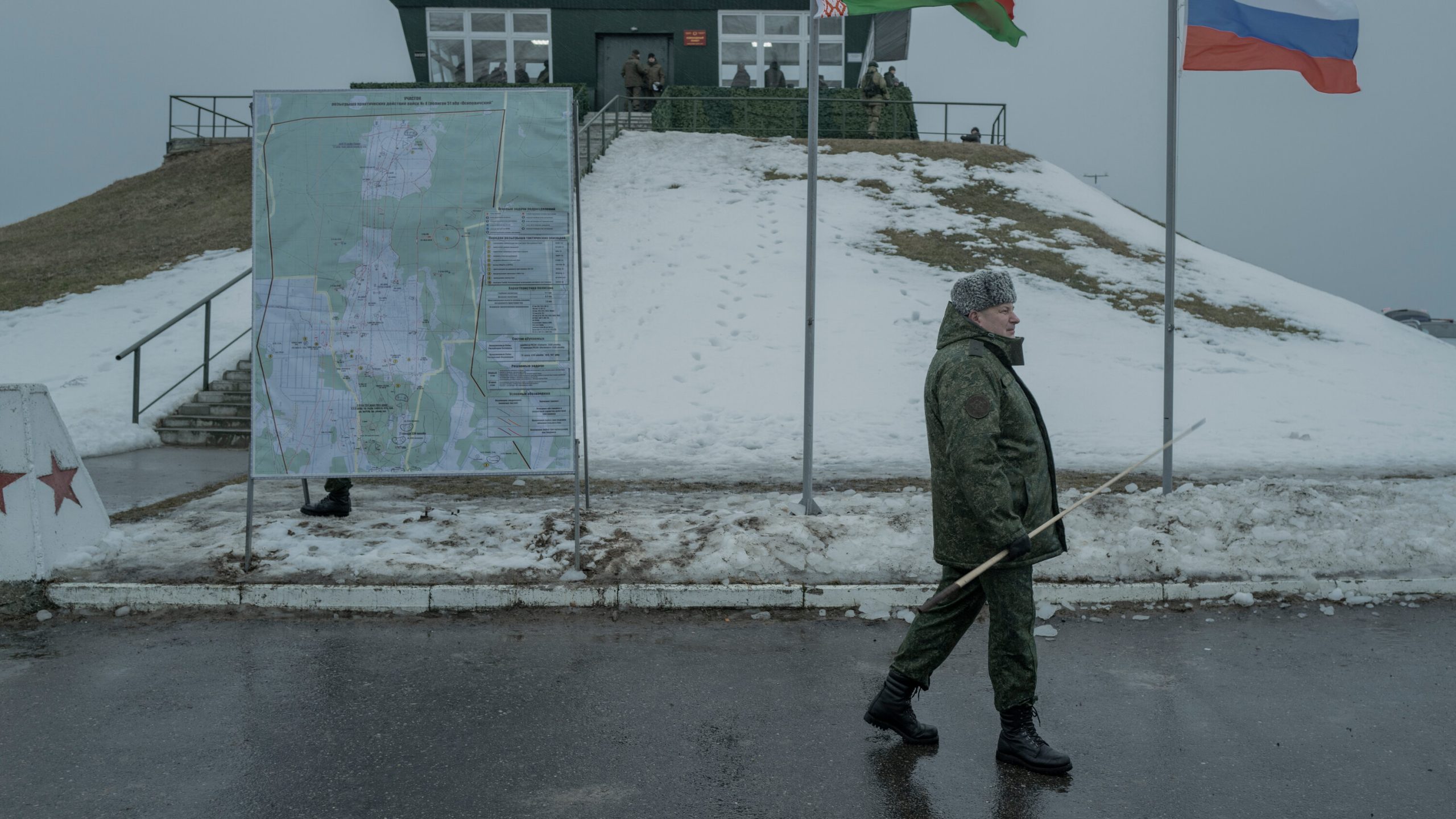
To understand why Belarus is conducting these checks, one must look back at the doctrinal shifts that occurred over the last three years in Russia’s nuclear doctrine. In 2025, Russia officially updated its security policy to explicitly include Belarus under its nuclear umbrella. This was a landmark moment, effectively integrating Belarus into the broader Russian nuclear deterrence strategy.
The partnership is not merely about storage; it is about operational synergy. By practicing the nuclear weapons deployment of tactical nuclear assets, the Belarusian military is signaling a departure from its traditional defensive stance. This shift is designed to serve as a strategic deterrent against perceived threats from NATO’s eastern flank.
From Zapad 2025 to Present Day
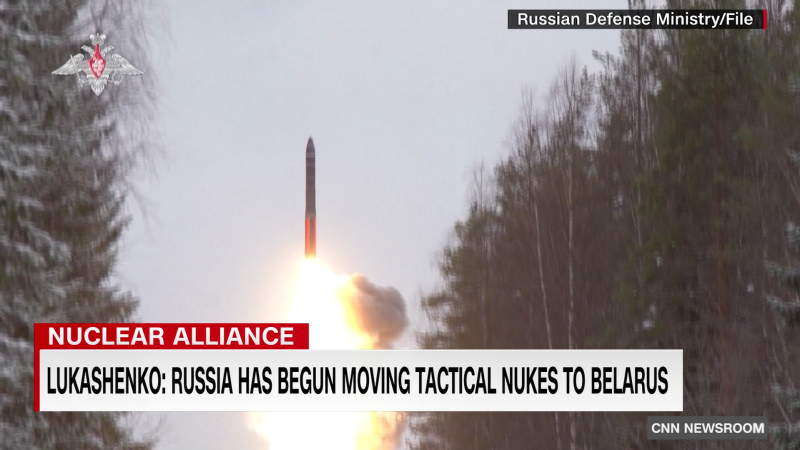
The exercises seen throughout 2026 are the direct successors to the Zapad 2025 military drills. During those exercises, Belarusian forces practiced the launch of tactical nuclear weapons, including those delivered by ballistic missile systems, alongside their Russian counterparts. These maneuvers were not just symbolic; they were intended to test the communication protocols and command-and-control structures necessary to manage such powerful assets in a real-world scenario.
The Reality of Nuclear Storage in Belarus
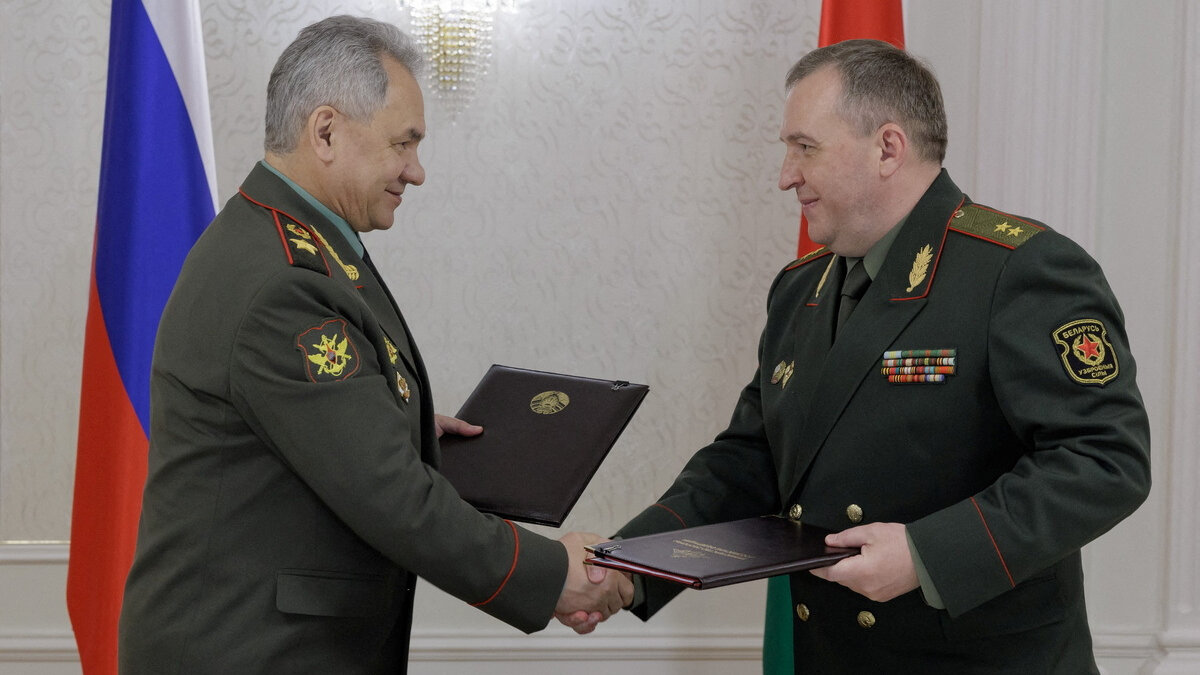
A critical point of debate among intelligence analysts and geopolitical experts is whether Russian nuclear warheads are physically present within Belarusian territory. While Russia has frequently claimed that the weapons have been moved to regional storage facilities, there remains a lack of conclusive open-source evidence to confirm the presence of gravity bombs or warheads on Belarusian soil as of early 2026.
Why the Ambiguity?
The ambiguity surrounding the physical location of these weapons serves a strategic purpose. By keeping the international community guessing, both Moscow and Minsk maximize the psychological impact of their deterrent. This “nuclear signaling” forces Western defense planners to account for a variable that may or may not be active, complicating their own strategic calculations and posing challenges to strategic stability.
Strategic Ambiguity: The uncertainty forces adversaries to prepare for a “worst-case scenario.”
Command and Control: The drills test whether Minsk can effectively coordinate with Moscow’s central command during a crisis.
Political Messaging: These checks serve as a reminder to the West that Russia’s nuclear doctrine is flexible and expanding.
Tactical Nuclear Weapons: Defining the Threat
When discussing tactical nuclear weapons (TNWs) in the context of Belarus and Russia, it is important to understand what they are. Unlike strategic nuclear weapons, which are designed to destroy entire cities or nations, tactical nuclear weapons are intended for use on the battlefield.
They are smaller in yield and designed to target specific concentrations of enemy troops, naval vessels, or logistical hubs. The fact that Belarus is training to deploy these weapons suggests a shift toward the potential use of limited nuclear options in a regional conflict scenario.
The Risks of Escalation
The inclusion of tactical nuclear weapons in regional exercises increases the risk of miscalculation and complicates efforts for escalation control. In a high-pressure combat environment, the decision-making window for nuclear deployment is extremely narrow. By integrating Belarusian forces into these operations, the number of actors involved in the potential decision-making process increases, which adds layers of complexity—and danger—to the global security architecture.
International Reaction and Global Security Concerns
The international community, particularly the United States and NATO member states, has strongly condemned the deployment and the associated readiness checks. The consensus among Western powers is that the move is a destabilizing factor that undermines the non-proliferation regime and the Treaty on the Non-Proliferation of Nuclear Weapons (NPT).
Diplomatic Fallout
Throughout 2026, the diplomatic response has been multifaceted:
- Sanctions: Continued economic pressure on both the Russian and Belarusian defense sectors.
- Military Posturing: Increased NATO presence in Poland and the Baltic States to offset the perceived nuclear threat.
- Strategic Communication: Frequent public statements from Western leaders emphasizing the “catastrophic consequences” of any nuclear use.
Despite these pressures, the Belarusian government maintains that its actions are a sovereign right aimed at ensuring national security against external aggression. The narrative from Minsk is consistent: they are merely responding to the militarization of their borders by Western neighbors.
Looking Ahead: What to Expect for the Rest of 2026
As we look toward the remainder of 2026, the situation remains fluid. Analysts predict that these “readiness checks” will become a routine part of the Belarusian military calendar. This normalization of nuclear-related drills is designed to ensure that the threat of nuclear intervention remains a permanent feature of the regional security conversation.
Key Factors to Monitor:
Increased Intelligence Gathering: Watch for satellite imagery reports regarding facility upgrades in Belarus that could indicate permanent nuclear storage infrastructure.
Joint Training Intensity: The frequency of these drills will be a key indicator of how deeply integrated the Belarusian military has become with the Russian nuclear command.
Belarusian Domestic Policy: How the population and internal political factions react to the permanent presence of nuclear-capable assets on their soil.
Conclusion
The announcement that Belarus conducts checks on tactical nuclear weapons with Russia is a significant development that reflects the deepening military integration between the two allies. While the physical presence of these weapons remains a topic of intense debate, the intent to project power through nuclear readiness is clear.
In 2026, the world is witnessing a return to a more volatile era of nuclear signaling. Whether this strategy ultimately leads to greater security for Belarus or further isolation and tension remains to be seen. What is certain is that the eyes of the world will remain firmly fixed on the border regions of Eastern Europe as these drills continue to unfold.
These ongoing drills, far from being mere symbolic gestures, represent a critical phase in the operational integration of tactical nuclear capabilities into Belarus’s military doctrine, under Russia’s ultimate control. The “checks” involve a multifaceted approach: verifying the readiness of various weapon systems with dual-use capabilities, such as dual-capable aircraft, such as modified Su-25 fighter jets, which can carry both conventional and tactical nuclear ordnance; assessing the operational status of Iskander-M short-range ballistic missile systems, known for their ability to launch nuclear-tipped missiles; and, crucially, ensuring the secure storage, handling, and maintenance protocols for the warheads themselves. This also extends to the training of Belarusian personnel in the highly specialized procedures required for deploying and employing such weapons, encompassing everything from security clearances and chain-of-command protocols to simulated launch sequences and post-strike assessments. The complexity of these operations underscores a long-term commitment, not just a fleeting demonstration.
Historically, the concept of nuclear sharing is not unique to the Russia-Belarus axis. NATO, for instance, has maintained a nuclear sharing arrangement for decades, where non-nuclear member states host U.S. tactical nuclear weapons and provide dual-capable aircraft for their potential delivery. However, the context and implications differ starkly. NATO’s arrangement is underpinned by a collective defense alliance, democratic oversight, and a commitment to non-proliferation through the Nuclear Non-Proliferation Treaty (NPT), with the U.S. maintaining ultimate control over its warheads. In contrast, the Russia-Belarus deployment occurs amidst an ongoing conflict in Ukraine, with Belarus playing an increasingly subservient role to Moscow and lacking the independent decision-making authority that NATO partners possess. This asymmetry raises significant concerns about command and control, particularly given Russia’s recent rhetoric and actions regarding nuclear weapons.
The specific systems involved, particularly the Iskander-M missiles, are a key concern. These mobile systems have a range of up to 500 kilometers, placing significant swathes of NATO territory, including parts of Poland, Lithuania, and Latvia, within potential striking distance from Belarusian soil. The deployment effectively shortens warning times and complicates defensive strategies for neighboring states. While the exact number of tactical nuclear warheads transferred or earmarked for Belarus remains classified, estimates by defense intelligence agencies suggest a limited but impactful arsenal, designed to fulfill specific battlefield objectives rather than strategic deterrence. The drills likely involve scenarios simulating responses to perceived aggression, aiming to validate the operational readiness of these assets under various contingencies.
From an international legal perspective, these actions push the boundaries of the NPT, challenging the broader arms control framework. Russia argues that it retains control over the warheads, thus not violating the letter of the treaty, similar to how the U.S. interprets its NATO nuclear sharing. However, critics contend that the training of Belarusian personnel and the integration of Belarusian delivery systems represent a de facto proliferation, undermining the spirit and long-term goals of the NPT. This legal ambiguity creates a dangerous precedent, potentially emboldening other nations to pursue similar arrangements or even develop their own nuclear capabilities, further destabilizing the global non-proliferation regime. The International Atomic Energy Agency (IAEA) has expressed concern, emphasizing the importance of transparency and verification, which are largely absent in the Russia-Belarus context.
For Belarus, hosting these weapons carries profound domestic and economic implications. While President Lukashenka portrays it as a necessary measure to bolster national security against perceived Western threats and a sign of unwavering loyalty to Moscow, the move further entrenches Belarus’s international isolation. The country has already faced extensive sanctions from the EU, the U.S., and other nations for its human rights record, its role in supporting Russia’s invasion of Ukraine, and its suppression of democratic movements. The presence of tactical nuclear weapons is likely to trigger additional targeted sanctions, hindering foreign investment, restricting access to international financial markets, and exacerbating Belarus’s economic dependence on Russia. Public opinion within Belarus, though difficult to ascertain accurately due to state control, likely remains divided, with some citizens fearing the country becoming a primary target in any potential conflict, while others embrace the narrative of enhanced security.
The broader geopolitical ripple effect extends beyond immediate neighbors. This nuclear posturing by Russia and Belarus risks accelerating a new era of arms race dynamics. Nations feeling threatened by these deployments may seek to enhance their own conventional or non-conventional deterrents, potentially leading to increased military spending, development of new weapon systems, or even a re-evaluation of non-nuclear postures by states with the latent capacity to develop nuclear weapons. The concept of “escalation dominance” – the ability to control the rungs of an escalation ladder – becomes increasingly precarious when tactical nuclear weapons are introduced into a volatile regional conflict. The risk of miscalculation, accidental launch, or unauthorized use, however remote, fundamentally alters the strategic calculus and raises the stakes for every actor involved.
Ultimately, the checks on tactical nuclear weapons in Belarus are not just about military readiness; they are a potent instrument of political coercion and a stark declaration of a more confrontational global order. They signal Russia’s willingness to leverage its nuclear arsenal to secure its geopolitical objectives and Belarus’s deepening integration into Moscow’s security architecture. The long-term consequences could include a permanently heightened state of tension in Eastern Europe, a weakened international arms control framework, and an enduring challenge to the principles of non-proliferation. Navigating this new nuclear reality will require not only robust deterrence but also renewed diplomatic efforts to de-escalate tensions, establish clear communication channels, and rebuild trust, however fragile, to prevent the current volatile era from spiraling into an irreversible path of conflict. The world watches, acutely aware that the stakes could not be higher.